For Real Friday: Unrequited Love Part 2

girl-517555_1280

“I can’t charm him.” I waited until Persephone ran the mom through the questions before continuing. “Even accidentally. Everything he says and does is real, you know?”

“I do, actually.” Persephone said before taking the sleepy looking four year old through a modified list of our questions. “Aphrodite!” She scolded when I took a stuffed bear from the little girl.

“Baby-Jaguar!” the little girl moaned. “My Baby-Jaguar. Give him—” She fell silent under the influence of Persephone’s charm.

“You can hide things in stuffed animals,” I explained, giving the “jaguar” a cautious squeeze. “He’s clean. Here you go, kiddo.”

The little girl snatched her toy from me, giving me a look so cutting I stepped back.

“Anyway,” I said once Persephone convinced the kid to go back to sleep, “he can’t hurt me. He’s not strong enough. So we balance. And when the whole thing happened with Zeus, he saved me. He trusted me, believed in me at a time when no one else could.”

“But?” She prompted after a moment’s silence, closing the door as quietly as she could so we didn’t reawaken the sleeping dragon.

“That’s not actually him. I put him on this pedestal and made him into a symbol. He can’t live up to that, you know?”

Persephone nodded, knocking on the next door. “I get that.” Another empty room.

“Uh-huh.” I couldn’t imagine another being, least of all Persephone, “getting” something I barely understood about myself.

“No, really, I do.” Persephone looked around the base of the bed. She raked her hair back, hand stopping at the top of her skull. “I used to get a crush on literally every guy who was ever nice to me. . . and it wasn’t them, you know?” She flushed. “I always felt really out of place so I’d get really grateful when I got any attention at all. But I was too shy to act on my feelings, thank gods.”

And I wasn’t. Yup. Got that subtext loud and clear. “You. . . think I’m insecure and desperate for affection?” I wasn’t sure how to take that.

She pressed her lips together and glanced down at the carpet. “I think you’re lonely. I’m not explaining this well.” She sighed. “I’m saying I get it. I know what it’s like to feel different and alone, and I know what it’s like to seize onto that one kind gesture and to read so much into it that everything they say or do becomes…more. And you’re right, putting him on a pedestal isn’t fair to him, but it’s also not fair to you because you end up putting all this stock into someone who…maybe doesn’t deserve it.”

My throat went tight. “Yeah.”

~@~

I’ve talked about Unrequited Love on my blog before just two weeks ago. But the topic bears some expanding because two weeks ago, I mostly focused on the other person. The person who doesn’t love back. How they feel. How frustrating it is that society keeps teaching us that not loving someone back if they just try hard enough is somehow wrong.

But it also sucks to be the person with all the feelings. To be the one wondering if you just said x or just did y, would they like you back. To over-analyze that person’s every mood, to read things into their actions and not be able to tell if they’re real or if you just really want it to be real.

It sucks. And it’s a sucky part of life. And acting on those feelings in a way that’s scary or vengeful or negative to them is unforgivable because the other sucky part of life is that they don’t have to love you. But equally unforgivable is hurting yourself over it.Girls are particularly bad about this, statistically speaking, because from a societal stand point, we’re expected to change. Oh, we’re told not to, but the narrative we’re fed doesn’t match the message that’s preached. We are marketed to as a problem that can be fixed with the right make up or weight loss product. Movies and books and shows have running tropes where she joins his group, she acquires his interests, she compromises her beliefs, she changes her goals to fit his. When guys do that they’re seen as whipped, but when girls do it, it’s par for the plot.

And to be fair, some changes going to happen no matter what. Don’t change is stupid advice. You become the people you’re around. It’s part of being a human. Your interests expand with your social circle, so do your friends, and your beliefs change when challenged. That’s not a bad thing, I don’t mean change as in go away. When you think from one perspective and are introduced to another, it’s a sign of a working brain to assimilate the new information and reevaluate what you know to make it fit. But these changes should flow both ways. It’s problematic when one person is doing all the changing for another, especially if all this change is happening so the other person can be won.

But sometimes there’s something more serious at work than just disappointment that the other person doesn’t return their affection. Like in the conversation with Persephone and Aphrodite above. The intense feelings they felt toward the boys in the examples had almost nothing to do with the actual boys and everything to do with turmoil happening in their own life. But those are just minor examples. Sometimes, it’s a lot more serious.

People who hurt themselves, starve themselves, or sink into depression aren’t doing it because so and so didn’t love them back. So and so not loving them back was probably the end of a very long list of other issues impacting that person’s life. So and so just likely happened to be the most concrete one that all those feelings could be hung on. And that is why those tropes are so scary. Because all the books and all the movies and all the shows take warning signs of really serious issues that demand really serious help, and trivializes them. That rhetoric has been so normalized that their parents, their friends, and possibly even themselves may not recognize a very real call for help. So pay attention to yourself, to your friends. It’s frighteningly easy to write someone off as desperate when there’s a lot more going on beneath the surface.

Way Back Wednesday: Echoes

Echo and Narcissus is one of those myths that gets alluded to a lot in popular culture. Two instances in particular stand out as having done it really, really well.

The Mark of Athena

I don’t often include Riordan in my blogs because Way Back Wednesdays refer to the way back. As in before I wrote Persephone. Stuff I read after I wrote Persephone couldn’t have influenced my take on any given myth I used in Persephone.

But we’re in Aphrodite territory now, and I wrote that pretty recently. My Echo and Narcissus are just allusions, they don’t contribute much to the plot, they don’t get fleshed out much character wise. They’re just background people who exist in my world. So I’m not unaware my take on them for Aphrodite isn’t groundbreaking or particularly insightful. But his was.

I loved Rick Riordan’s take on Echo. I loved that he gave her agency and I loved how she used her echo to create her own voice. It was creative and so well done. Narcissus didn’t break the mold (mine doesn’t either), but Echo more than made up for it.

Dollhouse

The main character in Dollhouse is named Echo. She’s a doll, which means her personality and mannerisms are uploaded into her brain (she’s not a robot, btw. If you haven’t seen the show, watch it) as requested by very rich clientele. At first she’s limited to just echoing her role as it was prescribed to her, but as the series progresses, she begins to retain fabrics of each personality she acquired to build her own personality. It’s nothing short of amazing. There’s another character named Alpha who plays the Narcissus role to a “T,” he’s obsessed with creating the most perfect version of himself. But the crush and the power play is inverted and he’s the one obsessed with Echo this go round.

There are about a million amazing things about that show. Seriously, go watch it.

Current note: iZombie is doing something similar with it’s main character at the moment (retaining echoes of personality from multiple sources) and I’ve come to the conclusion that I will never tire of this plot device. Seriously. I’m never not going to be impressed if it’s done well. From a writing standpoint, the blending of all the characters is fascinating.

For Real Friday: Generations

generations-462134_1280

On Monday and Wednesday I talked a bit about the trope of generational sins and how descendants are sometimes held responsible for things that happened before they were born. I don’t have personal experience with feeling guilty for anything my parents or grandparents did, so I can’t really speak to that. I think the idea of being held responsible for something done before you were born isn’t as much of a thing for people born in modern day as it may have been in the past.

However I do hear a lot of people talk about race or affirmative action policies and such in those terms, and I have to disagree. And here’s why.

My husband and I get by, but we’ve had some major money struggles in the past when the business we both worked for went under. My mom (and his) helped get us through and now we’re stable. We’re not exactly where we want to be money wise yet, but there’s every hope we can get there by the time my daughter grows up. Also because of my mom, my daughter has everything she could ever think of needing/wanting. Where we can’t splurge, my mom can, so my daughter has every possible advantage.

My mom wasn’t always in a position to help others as much as she’s helped us. When I was two my dad died and we were in incredibly dire straights financially. We moved back in with my grandparents and with their help, my mom was able to finish school to get the job she has today that allows her to help us to the extent that she does.

My grandparents were able to help her because they were stable. They were born at the tail end of the depression and worked hard. My grandfather got a job at IBM, my grandmother at sears. I’m willing to wager they had help from their parents if they ever needed it.

If you move one piece of that support net, my life would look very different. I don’t know what my husband and I would have done without my mom. I honestly don’t. My mom doesn’t know what she would have done without her parents. She couldn’t have finished school without them. She couldn’t have the job she does now without them. We owe them everything. Money doesn’t buy happiness, but it does by stability, not just for yourself but for your children. We are where we are today because we had a support net that went back generations.

Not everyone has that. Not everyone can. Not because didn’t work hard. Not because they made mistakes. But because the same opportunities that existed for my grandfather didn’t exist for everyone back in the forties and fifties. They just didn’t. That’s not opinion, that’s fact. And that doesn’t make me guilty for something my ancestors did forever ago, but I can’t just pretend I don’t benefit from it either. I can’t pretend like I’m somehow better or more deserving when I’m actually just lucky.

Everyone needs a stable foundation to build on because at some point in your life, no matter who you are or what you do, something, death, the economy, medical expenses, natural disasters, something is going to shake you to the core. And without that foundation, those tremors can completely topple everything you have, leaving you right back where you started. And until everyone has the same opportunity to build that foundation and get a few generations of stability under their belt, nothing is ever going to improve.

Way Back Wednesday: The Sins of our Fathers

The Greeks were big fans of cursing families for generations. But they weren’t the only ones.

Miroku, a character in InuYasha was cursed with a wind tunnel because of a generational sin.

In Into the Woods, the baker and consequently, his wife are unable to have children because the baker’s father stole vegetables from the witch next door. Also, he stole beans. Can’t forget those.

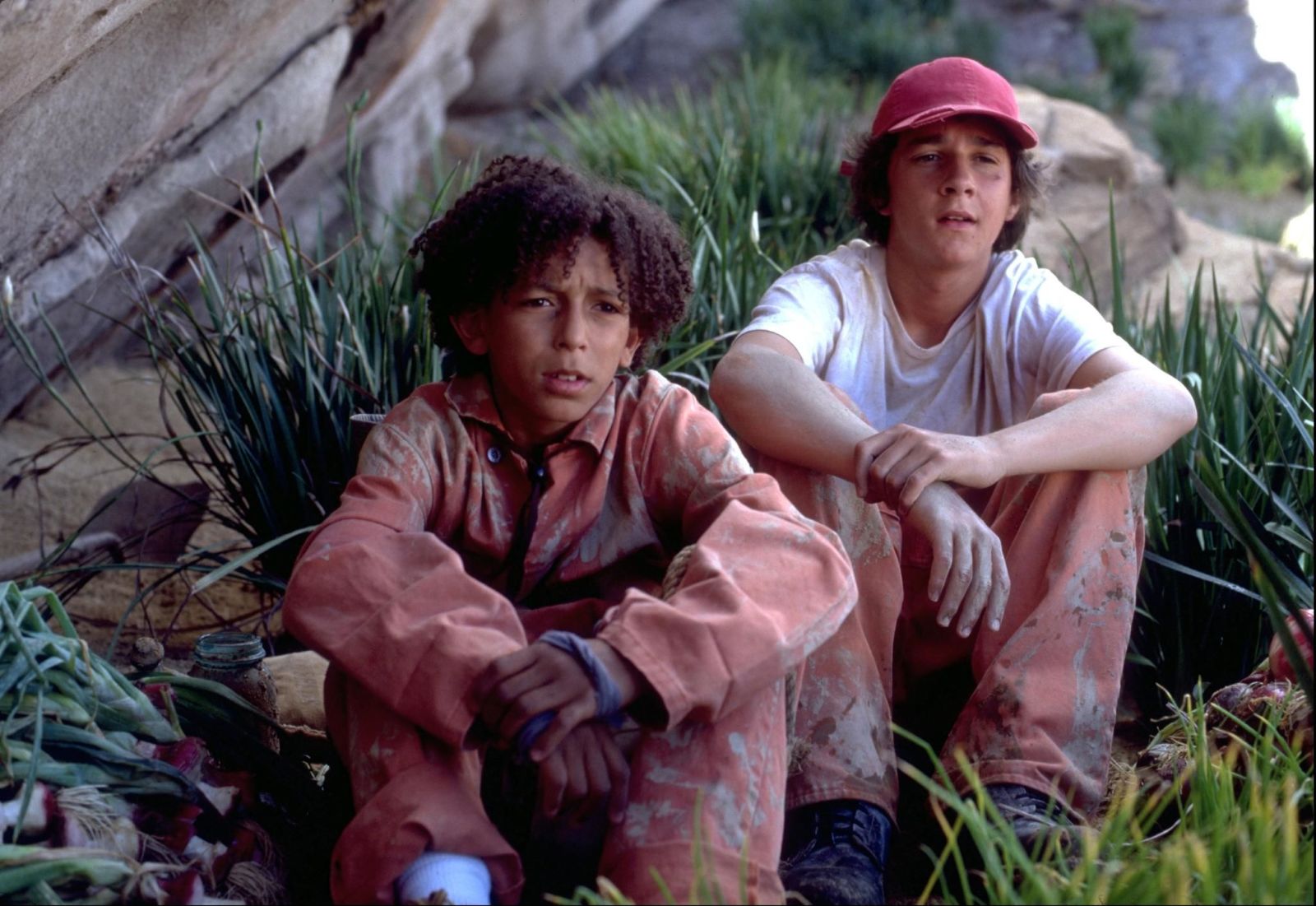
This trope is resolved beautifully in Holes, but I can’t go into how without massive spoilers.

Can you think of any examples of characters being punished because of the wrong doings committed by their ancestors?

For Real Friday: Unrequited Love

sad-468923_1280

On Wednesday I talked about how unrequited love is a great plot line when handled what is, in my opinion, right. Today, let’s talk about it handled wrong.

There’s this pervasive problem in the media today with love. And a major part of that issue is entitlement. Everyone loves a good underdog gets the girl/love hate/friend to lovers plot line, but the plot line becomes problematic when it’s so common people start to perceive it as the norm. Consequently, person A will like person B who does not like person A. Rather than taking a hint, person A gets frustrated that person B isn’t following the correct social script. They’re supposed to love them back. The hate is supposed to transform into love. If person A just does enough, says enough, changes enough, offers enough, surely person B will see their real value and love them back.

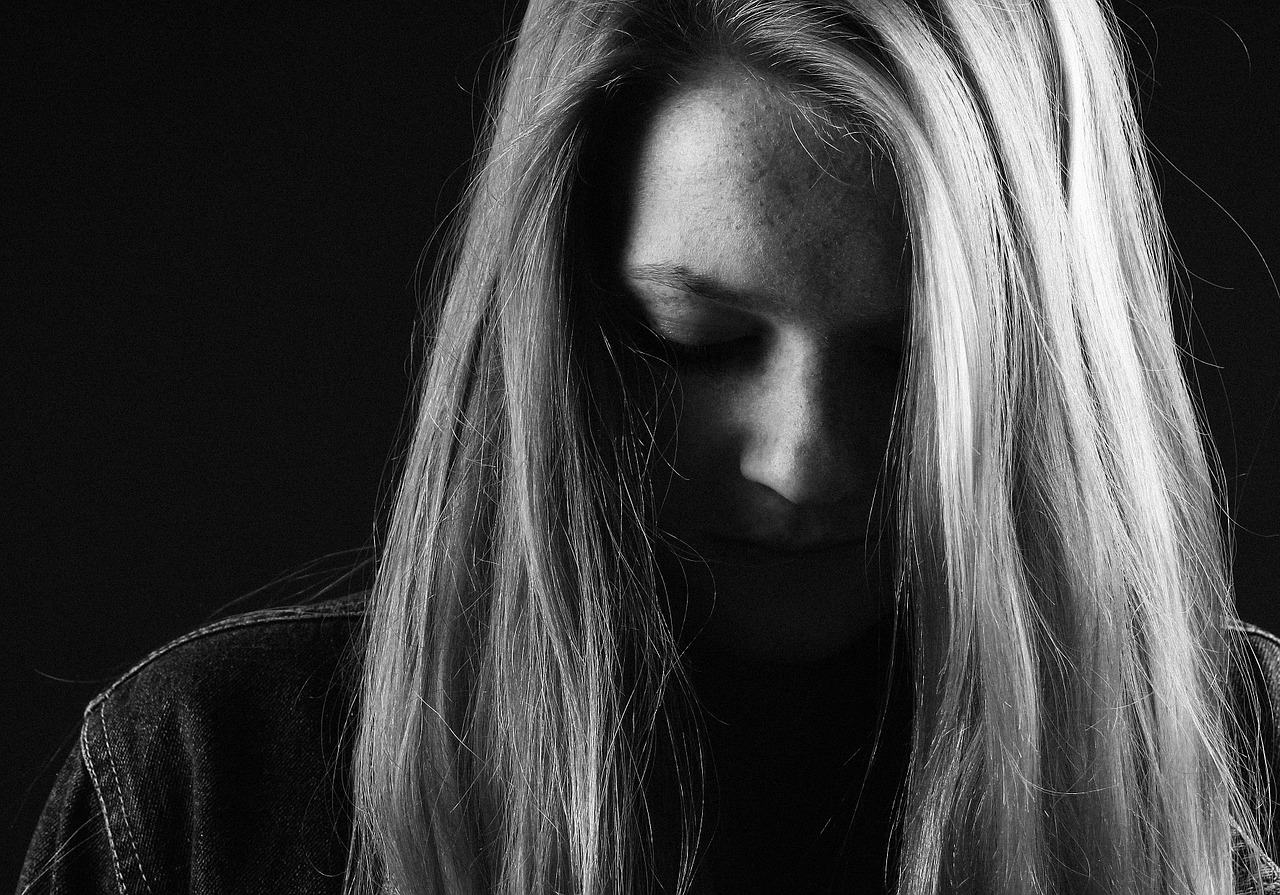
That’s a horrible place to be in for Person A. Believe me, as someone who has been person A in a friendship where I really, really, really, liked the guy and he just never saw me that way, it sucks. It’s a major blow to the self esteem, you find yourself wondering why you’re not good enough. You obsess, you over focus, and eventually, it can destroy what was a great friendship if you don’t get ahold of yourself and move the frick on.

But I’ve been person B too, and while being person A was devastating on an emotional level, being person B is terrifying because we are taught, above all things, to be nice. There’s not a nice way to tell someone you’re not interested when they aren’t listening and are super sure they can change your mind if they just do xyz.  Meanwhile, you’re living in fear that person A’s frustration will turn into outright resentment. People literally die because they didn’t like someone back. Stalking is a thing, largely due to this misconception that showing enough devotion will = Person B waking up one day and realizing they really did love person A all along. Friendships are ruined and people are left feeling used because of this pervasive myth in our media. Heck, as person B you start to doubt yourself because of that media. Shouldn’t you give person A a chance? Are you being mean or cold hearted by not going against the way you feel and just going with it? It’s a mind– you know what, I’m a YA author, so I’ll watch the language.

Anyway, the best thing person A and B can do for themselves is to remember that stories are the ultimate form of wish fulfillment. They reflect not just the way the world is but the way we want it to be. Of course in a perfect world, the person you love always figures out they love you back. But in the real world, loving someone does not equal them loving you. And that’s okay. They don’t have to. And the sooner both sides of the equation realize that, the happier all parties involved will be.

Way Back Wednesday: Unrequited Love

In the myth, Venus and Adonis, Aphrodite, the literal goddess of love, can have anyone she wants. She picks Adonis (I never said exclusively), who in some versions of the myth doesn’t reciprocate her feelings. Unrequited love is a major trope in all media and it’s one of my favorites when done right. It’s not love/hate (which I also like). When unrequited love is played as love/hate is problematic for a lot of reasons, because it tends to evolve into stalker syndrome and as a viewer it’s hard to get behind. The reason love/hate works is that both players in the trope eventually realize they’re compatible. If one realizes it and the other keeps hating, it tips the balance into a really unhealthy portrayal of a crush.

It works best when the two are friends who you can almost see working. And it works absolutely best when the friendship isn’t resented with  friend zone nonsense. When both characters involved really value the friendship but one of them wants more, it works. And the best example of this I’ve ever seen is in Doctor Who.

“I spent a lot of time with you thinking I was second best, but you know what? I am good… Right then. Bye.  Because the thing is, it’s like my friend Vicky. She lived with this bloke—student housing, five of them all packed in. And this bloke was called Sean. And she loved him. She did. She completely adored him. Spent all day long talking about him… He never looked at her twice. I mean he liked her. That was it. And she wasted years pining after him. Years of her life. ‘Cause while he was around she never looked at anyone else. And I told her, I always said to her, time and time again, I said, ‘Get out.’ So this is me, getting out.”

This is one of the best versions of unrequited love I’ve seen done because it, at least in the end, showed so much respect to both characters involved. I still really wish they hadn’t pursued this plot line with Martha, because it just wasn’t fair. Viewers were going to hate the new companion immediately, no matter who she was because the Doctor and Rose had such an epic thing going for so long. To then give her a crush on him instead of say, jumping straight to Donna and THEN doing Martha, was a disservice to the character because it fueled fan hate. But out of context, if you watch these episodes after a period of grieving for Rose, this was handled amazingly well.

Martha really had a thing for the Doctor and he didn’t think of her as more than a friend. Maybe it was timing (he’d just lost Rose), but more likely through no fault of Martha at all, he wouldn’t have ever felt this way about her and it was okay. He didn’t have to like her like that for their relationship to have value. She managed without him reciprocating, it was never central to the plot and she had her own life and identity outside of the doomed crush.

Can you think of any other times the media handled unrequited love exceptionally well?

For Real Friday: War and Fiction

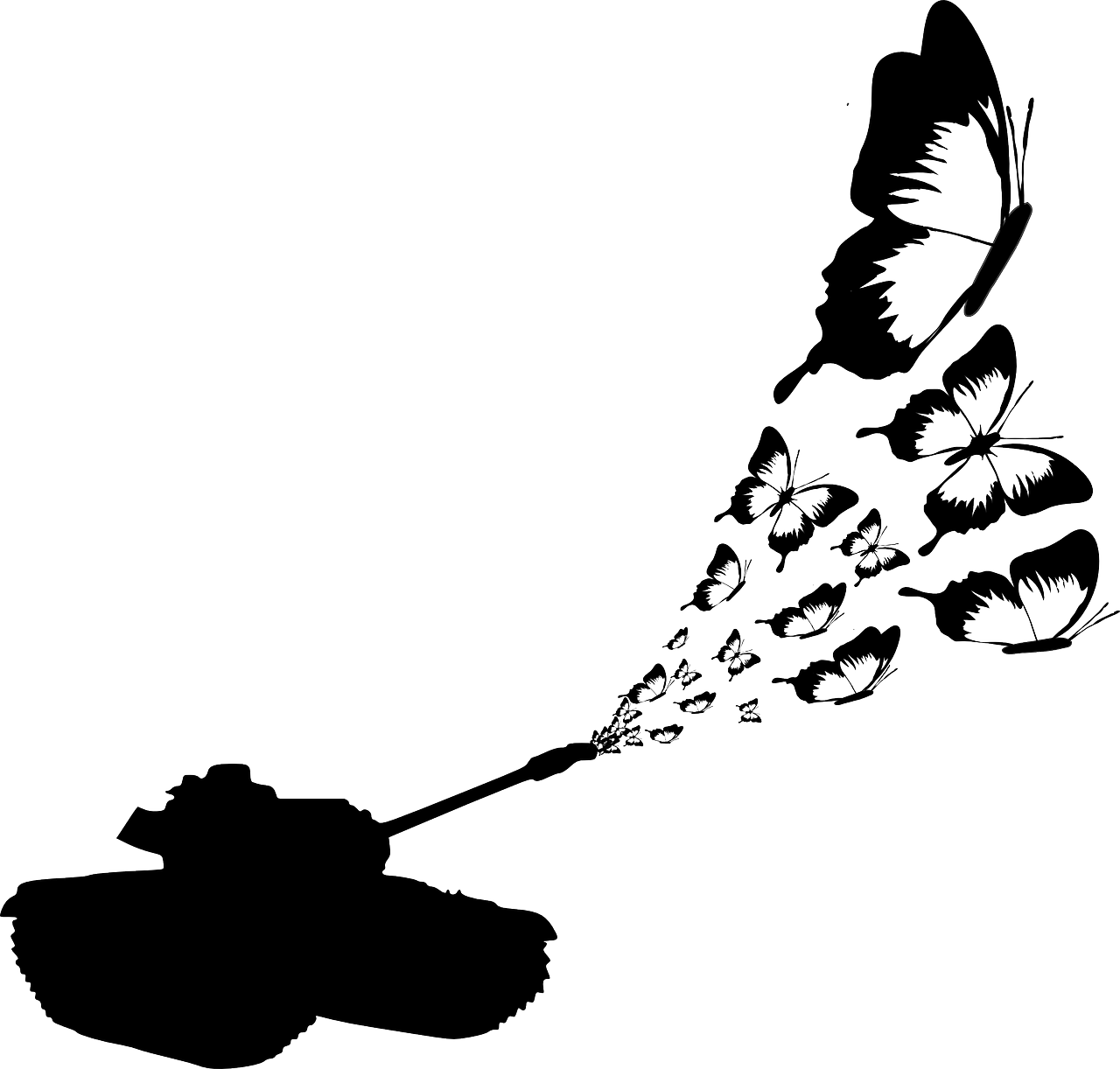
War is often a glorified concept. That’s not unique to our culture. As long as there have been stories there have been tales of battlefield heroes. The stories make the battles sound exciting and paint clear heroes and villains. Those stories are used to gain support and of course to recruit more men.

peace-152788_1280

The problem is that war isn’t that simple. Nothing is black and white and the cost of that battlefield excitement is high. Soldiers come home traumatized if they come back at all. The causes fought for have more to do with politics than honor, and the people with the loudest voices on the subject never have to see the front lines.

But of course I’m coming from a very privileged position on the topic. I’ve never been in a situation where a war needed to be fought to stop horrible things from happening to me. The wars in my lifetime have been wars on concepts or fought far away amongst other people. I don’t see the price on either side, I hear about it. I hear about the soldiers coming home with PTSD, every now and then I catch horrible images on the news, but for the most part, I go about my life blissfully unaware of the horrors in the world around me. My glimpses behind the curtain are limited to documentaries, the news, and fiction.

Books like the Hunger Games or pretty much anything by Walter Dean Myers paint pictures without the rose colored glasses of glorification. It’s amazing and terrifying how much fiction can shape our perception on things we have no experience with. Can you think of ways fiction has been used to paint pictures of war?

Way Back Wednesday: Ares

Ares only popped up in two shows I watched as a child. Hercules and Xena. He was awesome. Enjoy this clip.

For Real Fridays: Be Careful What You Consume

Sometimes the fears that make their way into our stories aren’t all that subtle. Take the magical food or drinks that make the consumers feel wonderful but have severe consequences trope. There’s not a lot of hidden meaning there, it’s pretty much out in the open. Poison is a thing. It’s been used to kill people, but the trope is never about murder. The people don’t die. Not at first.

It’s about losing yourself. Trapping yourself. Becoming addicted. Finding yourself somehow changed by this thing you unknowingly or naively consumed. There are more than a few substances in this world that can produce euphoria upon consumption and regret the next day. Be careful taking them. It’s not worth falling down that rabbit hole.

And should you find yourself at a strange revelry, banquet, or you know, just a regular old party, watch your drinks. Be careful what you take or what you eat. Just be careful out there. There’s truth in stories. And sometimes that kernel of truth is a lot scarier than fiction.

Way Back Wednesday: Magical Foods and Drinks

“We must not look at goblin men,
We must not buy their fruits:
Who knows upon what soil they fed
Their hungry thirsty roots?”

Foods with magical properties is hardly unique to Greek mythology. Most mythologies have some kind of forbidden food that has a less than desirable impact on humans. Here’s a few examples from my childhood.

The Moorchild by Eloise McGraw

This book was the first time I’d heard of fairy food, magical food that trapped humans within the fairy realm (very Persephone) or caused them to starve to death by making all human food forever taste like dust. The Moorchild was an amazing book. Everyone should read it.

Tithe by Holly Black

And because I literally cannot think about the Moorchild without marveling at the wonderful job Holly Black did modernizing the concept of Changelings for the YA set, Tithe comes next in this list. Fairy Food in Tithe is either a trick or something that makes humans very very sick. Magical properties vary.

The Chronicles of Narnia by C.S Lewis

I mention the Moorchild as the first time I’d heard of magical food because while I read Narnia first, the concept didn’t click. I thought the witch just cast a spell, not that the Turkish Delights were actually magic, which, I mean, I wasn’t far off. Magical food also comes up later in the series with the forbidden fruit.

Spirited Away

This really plays the trope more on the Persephone level (eating the food can trap you in the spirit realm) but later in the movie when Chihiro is offered the food instead of taking it, it helps her. So with that food the intent matters as much as the consumption.

Lord of the Rings

Elf Bread. It’s filling and super helpful. It’s basically ambrosia without terrible side effects.

Food has an interesting place in our stories. It’s a basic necessity to live but most of the time if we include food or drink in a story, there’s a very specific reason. Nine times out of ten, it’s not a good one. Can you think of any magical food I may have missed?