Writing on Wednesday: Snowflake Step 6

ice-crystal-1065155_1920

For step six of the snowflake method, you return to the one page plot synopsis and expand it into a four page synopsis. To do that, take each paragraph in your one page synopsis and expand it to one page. This is a great place to let all the frustration you might have felt trying to boil the novel down to one page release. Here you can add many of the details.

I’m not going to post my four page summary for Persephone here, because spoilers, and hello, space. But since I’ve already shown how I expanded one line into one paragraph, I can show that one paragraph’s expanse into a page. I’m going to be doing the second sentence/paragraph because paragraph/page one would basically be background and set up, and that’s a bit easier to come by.

Spoiler warning for Persephone ahead.

Sentence 2 from one paragraph summary: When Boreas, the god of Winter, attempts to whisk her away to a not so winter wonderland, she’s rescued by Hades and offered refuge in the Underworld.

Paragraph 2 from one page summary: Persephone thinks her mom has lost her mind. She runs away to her friends house only to discover that her best friend is also in on the secret. Before Persephone can process that they might actually be telling the truth, she’s attacked by a season. Boreas, the god of winter, has his eye on Persephone and now he wants to whisk her away to a not so winter wonderland. She’s rescued from the serial rapist by Hades, Lord of the Underworld, and offered refuge in the Underworld until the end of winter. The catch? He has to marry her to take her there.

So now, do the same thing. Break this paragraph down into sentences and turn each of those sentences into a paragraph. So let’s do that with Persephone thinks her mom has lost her mind.

Persephone’s mom starts spouting off insanity about being the goddess Demeter and Persephone herself being a daughter of Zeus. Assuming her mom is hysterical, Persephone plays along by asking logical questions to get her mom to realize how crazy she sounds so she’ll snap out of it. But when her mother answers her questions with a deadly certainty, Persephone realizes her mother legitimately believes they are gods. Persephone is considering googling the local mental hospital when her mother starts talking about taking Persephone’s priestess and best friend and skipping town. That’s when Persephone realizes her mother’s delusions could turn dangerous.

This progresses neatly into paragraph two. Persephone runs away to Melissa’s house to warn her, and discovers Melissa was already in on the secret. Now could the above sentence be better? Absolutely. I could use the word when about a billion times less. The construction isn’t great. If I ever sent that paragraph as part of an expanded synopsis in a query package, I’d absolutely go over it and smooth it out. But for my drafting purposes it tells me Persephone’s feelings and the events that are happening sequentially. Writing a scene from the information in that paragraph would be easy. It’s just more expanding.

Tune in next week for more of the snowflake!


Mythology Monday: A Wedding and a Sandbar

maldives-698501_1920

He stayed with me while I cried. He let me cry. Not once did he tell me to shut up, or stop over reacting. There was no trying to pretend like nothing was wrong or making me feel stupid or emotional or anything else. The man just sat beside me, offered me his shoulder, and wrapped an arm around me until I finished.

No one had ever done that for me before. Not that I could remember. It was the most I’d connected with another human being for over a decade. I fell in love with him right then. Amazing how powerful something as simple as touch and sympathy can be.

I cried until I was exhausted. And then, only once he was sure my tears were spent, absolutely sure I was on somewhat stable ground, he told me how much trouble we were in.

Turns out my mom had an army.

~@~

Next on their journey, the Argonauts stopped at a place called Drepane, which was ruled by a virtuous king named Alcinous. You may recognize his name from The Odyssey (the happy home where Odysseus tells the stories of his wanderings). Unfortunately, the Colchian fleet (the army from the kingdom where Jason took the fleece, and Medea, and killed the king’s son) arrived shortly after and demanded the return of their princess. Alcinous mediated between the two sides, and in an offhand comment informed his wife, Arete, that if Medea was still a virgin/unmarried, he would return her to her people.

You know, cause women are property and stuff.

Arete wanted Medea to be able to make her own choice, so she told the Jason and Medea what she’d learned from her husband. Medea and Jason married right away…and consummated their marriage on the Golden Fleece (possibly the best f-you in all of mythology).

Thrilled with the marriage, the Argonauts set off for home and were immediately driven off course by another gust of wind. Their ship was beached on a huge sandbank (the Syrtes) near Libya. In true, over dramatic manly fashion, the Argonauts all resigned themselves to death and part ways to die heroic, individual, lonely deaths. Medea hangs out with her maids on the beach and talked about how much it sucked that after all they’ve been through, they’re beached.

Meanwhile, Jason was visited by three nymphs who gave him step by step instructions to get out of his mess. All they had to do was carry the boat across the desert.

Twelve days later, and two Argonauts short (Mopsus to a snake bite and Canthus to a Shepherd fight) they arrived at Lake Triton and the Hesperides garden where they just missed Hercules. Triton Lake opened up into the sea so the Argonauts made their way toward home. Again. Only this time, they made it. But more on that next week.

Molly Ringle’s Take on Adonis

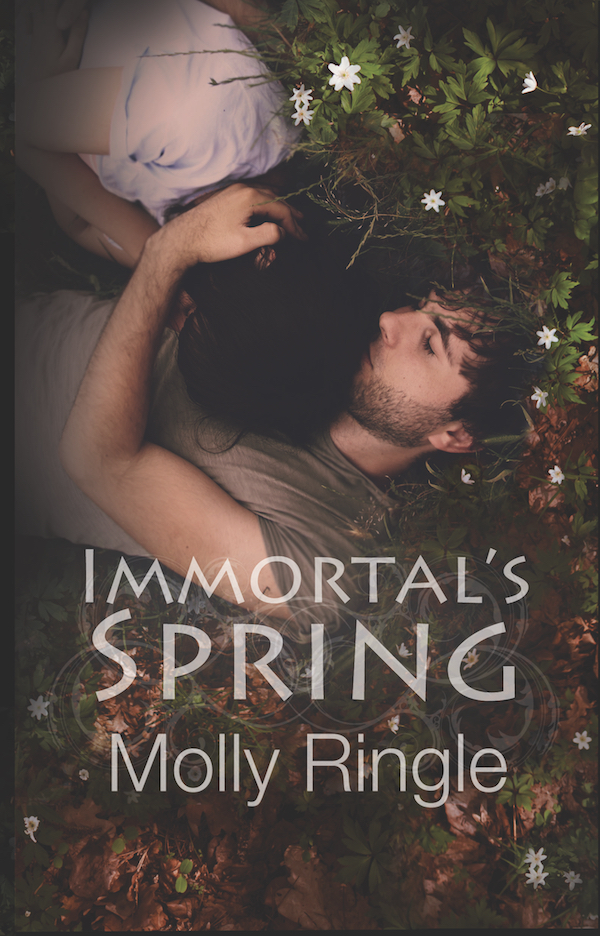
Today I’m pleased to present a very special guest blog from one of my favorite mythology re-writers, Molly Ringle. If you haven’t checked out the Crysomelia Series yet, you’re missing out. But don’t worry, you can fix it. The first book is only .99 cents today on kindle, so if you were ever going to start the series, now is a great time.

Molly is here today to talk about a character featured in each of our books. Adonis. So without further ado, let me turn things over to her.
Immortal's Spring cover high res 600 x 900

Hi everyone! I’m Molly Ringle, a fan of Kaitlin Bevis’ and a writer of my own trilogy of Greek-myth-based novels, which starts with Persephone’s Orchard. This week we’re exchanging guest posts on one of the characters we’ve both featured fondly: Adonis.

People usually know what it means to be called “an Adonis:” namely, the person in question is a beautiful, desirable male. Such figures are much adored by legions of women; in the modern world they’re often celebrities known for their good looks. (I ran a search on “Adonis” on Pinterest just now, and got several photos of Harry Styles, among others.)

In mythology, Adonis was a youth so beautiful that even the goddess of love herself, Aphrodite, could not resist him. The pair became legendary lovers, but their relationship was plagued by complications and tragedies, as is typical in Greek mythology. At one point—sources usually say it was in Adonis’ infancy—Aphrodite, already charmed with him, sent him to the Underworld for safe keeping in Persephone’s care. But Persephone became entranced with Adonis as well, and refused to give him back. Zeus had to settle the case: Adonis was to spend four months of every year henceforth with Persephone, four with Aphrodite, and four in whatever way he chose. (People usually say he chose to be with Aphrodite for those.)

That arrangement is curiously like Persephone’s own: part of the year in the Underworld, part of the year in the upper world. Adonis’ ties to the land of the dead end up manifesting in another way too. In mythology, he dies young, usually said to be killed by a boar sent by a jealous rival. Ares, god of war and intimately involved with Aphrodite himself, is often named as the culprit. The heartbroken Aphrodite brings Adonis to new life, in a sense, by transforming his blood into the red anemone flower. And some versions of the myth claim that, like Persephone, Adonis still gets to spend half the year above ground with his lover, even after his death.

Thus he belongs to the class of resurrection deities, or dying-and-rising gods, a group in world religions that also includes figures such as Osiris, Attis, Dionysos, and Jesus. In Ancient Greece there were cults and festivals dedicated to Adonis, in which celebrants (most often women) lamented the yearly death of the lovely young man, and honored the new life that would arise from his sacrifice—a representation, most say, of the cycle of agriculture, in which plants must fall at harvest time but will sprout again in spring.

MY VERSION

In my series, we first meet Adonis briefly in Persephone’s Orchard as a handsome young mortal, a favorite of Aphrodite’s. In the second book, Underworld’s Daughter, we get a closer look at his unhappy childhood, and his disappointment at remaining mortal while his beloved entertains so many enviably immortal men and refuses to be fully faithful to Adonis. After an emotional breakup with her, Adonis ill-advisedly picks a fight with Ares, and takes a lethal knife wound to the belly. Hermes and Aphrodite rush him to the Underworld, hoping for some miracle from Persephone or Hekate, which they get…and that’s where my version really starts to diverge from tradition.

The Underworld magic makes Adonis immortal, but he is still estranged from Aphrodite (who leaves after making sure his life is saved), so he decides to roam the Mediterranean a while and take on a new identity to go with his new immortality. Hearing legends about a dying-and-rising god called Dionysos (who doesn’t truly exist in my version; he’s just a myth), and finding Dionysos’ legends similar to his own story, Adonis drops his old name and takes on that one. Henceforth he will be Dionysos, god of wine, revels, madness, and death-and-resurrection festivals.

Nowhere in mythology does anyone claim that Adonis and Dionysos are one and the same, by the way. I am aware of this. But it struck me that they shared many similarities, and not just because they’re both resurrection deities. Both are also fairly peaceable and non-warlike compared to most of the male gods (although look out for their followers, who might rip you apart). Both have cults that are primarily made up of women. Apparently the rites were often similar in both types of cults, too. So, in my self-appointed task of writing crazy fan-fiction about Greek mythology, I decided I could make a case for this unusual move.

Then, more remarkable still, in reading Kaitlin’s latest installments of the Daughters of Zeus series, I discovered she’s made a similar transformation with Adonis! She wraps his identity up with that of another god too (SPOILERS!)—Eros, in her case; which makes sense, given Eros also has a close link to Aphrodite in the myths, and Adonis surely inspires passion in the world just about as much as Eros does. Kaitlin and I had no idea we were both writing the same type of plot detail for this character (though plenty of our other details differ), which makes it especially interesting: is there something inherent about the archetype of Adonis that suggests transformation? His death-and-resurrection-ness? His being passionately worshipped yet wrapped in mystery? His blend of good fortune and victimhood?

Probably all of that. Adonis may be known these days as merely a pretty face, but like all the Greek gods, he represents so much more than that, and it turns out Kaitlin and I, along with a lot of other people, can come up with quite a bit to say about him. If our new retellings give people a fresh and interesting way to think about the myths, then they were worth writing!

5173tsKIxpL._UX250_


Molly Ringle became fascinated with the colorful weirdness of the Greek myths when she was a kid, and after writing several other novels of love and the paranormal, she finally wrote the Persephone-and-Hades story that had been evolving in her head all those years. It turned into a three-book series, much to her own surprise. She lives in the Pacific Northwest with her husband and sons, and she honestly loves the rainy climate there.

For Real Friday: Unrequited Love Part 2

girl-517555_1280

“I can’t charm him.” I waited until Persephone ran the mom through the questions before continuing. “Even accidentally. Everything he says and does is real, you know?”

“I do, actually.” Persephone said before taking the sleepy looking four year old through a modified list of our questions. “Aphrodite!” She scolded when I took a stuffed bear from the little girl.

“Baby-Jaguar!” the little girl moaned. “My Baby-Jaguar. Give him—” She fell silent under the influence of Persephone’s charm.

“You can hide things in stuffed animals,” I explained, giving the “jaguar” a cautious squeeze. “He’s clean. Here you go, kiddo.”

The little girl snatched her toy from me, giving me a look so cutting I stepped back.

“Anyway,” I said once Persephone convinced the kid to go back to sleep, “he can’t hurt me. He’s not strong enough. So we balance. And when the whole thing happened with Zeus, he saved me. He trusted me, believed in me at a time when no one else could.”

“But?” She prompted after a moment’s silence, closing the door as quietly as she could so we didn’t reawaken the sleeping dragon.

“That’s not actually him. I put him on this pedestal and made him into a symbol. He can’t live up to that, you know?”

Persephone nodded, knocking on the next door. “I get that.” Another empty room.

“Uh-huh.” I couldn’t imagine another being, least of all Persephone, “getting” something I barely understood about myself.

“No, really, I do.” Persephone looked around the base of the bed. She raked her hair back, hand stopping at the top of her skull. “I used to get a crush on literally every guy who was ever nice to me. . . and it wasn’t them, you know?” She flushed. “I always felt really out of place so I’d get really grateful when I got any attention at all. But I was too shy to act on my feelings, thank gods.”

And I wasn’t. Yup. Got that subtext loud and clear. “You. . . think I’m insecure and desperate for affection?” I wasn’t sure how to take that.

She pressed her lips together and glanced down at the carpet. “I think you’re lonely. I’m not explaining this well.” She sighed. “I’m saying I get it. I know what it’s like to feel different and alone, and I know what it’s like to seize onto that one kind gesture and to read so much into it that everything they say or do becomes…more. And you’re right, putting him on a pedestal isn’t fair to him, but it’s also not fair to you because you end up putting all this stock into someone who…maybe doesn’t deserve it.”

My throat went tight. “Yeah.”

~@~

I’ve talked about Unrequited Love on my blog before just two weeks ago. But the topic bears some expanding because two weeks ago, I mostly focused on the other person. The person who doesn’t love back. How they feel. How frustrating it is that society keeps teaching us that not loving someone back if they just try hard enough is somehow wrong.

But it also sucks to be the person with all the feelings. To be the one wondering if you just said x or just did y, would they like you back. To over-analyze that person’s every mood, to read things into their actions and not be able to tell if they’re real or if you just really want it to be real.

It sucks. And it’s a sucky part of life. And acting on those feelings in a way that’s scary or vengeful or negative to them is unforgivable because the other sucky part of life is that they don’t have to love you. But equally unforgivable is hurting yourself over it.Girls are particularly bad about this, statistically speaking, because from a societal stand point, we’re expected to change. Oh, we’re told not to, but the narrative we’re fed doesn’t match the message that’s preached. We are marketed to as a problem that can be fixed with the right make up or weight loss product. Movies and books and shows have running tropes where she joins his group, she acquires his interests, she compromises her beliefs, she changes her goals to fit his. When guys do that they’re seen as whipped, but when girls do it, it’s par for the plot.

And to be fair, some changes going to happen no matter what. Don’t change is stupid advice. You become the people you’re around. It’s part of being a human. Your interests expand with your social circle, so do your friends, and your beliefs change when challenged. That’s not a bad thing, I don’t mean change as in go away. When you think from one perspective and are introduced to another, it’s a sign of a working brain to assimilate the new information and reevaluate what you know to make it fit. But these changes should flow both ways. It’s problematic when one person is doing all the changing for another, especially if all this change is happening so the other person can be won.

But sometimes there’s something more serious at work than just disappointment that the other person doesn’t return their affection. Like in the conversation with Persephone and Aphrodite above. The intense feelings they felt toward the boys in the examples had almost nothing to do with the actual boys and everything to do with turmoil happening in their own life. But those are just minor examples. Sometimes, it’s a lot more serious.

People who hurt themselves, starve themselves, or sink into depression aren’t doing it because so and so didn’t love them back. So and so not loving them back was probably the end of a very long list of other issues impacting that person’s life. So and so just likely happened to be the most concrete one that all those feelings could be hung on. And that is why those tropes are so scary. Because all the books and all the movies and all the shows take warning signs of really serious issues that demand really serious help, and trivializes them. That rhetoric has been so normalized that their parents, their friends, and possibly even themselves may not recognize a very real call for help. So pay attention to yourself, to your friends. It’s frighteningly easy to write someone off as desperate when there’s a lot more going on beneath the surface.

Way Back Wednesday: Echoes

Echo and Narcissus is one of those myths that gets alluded to a lot in popular culture. Two instances in particular stand out as having done it really, really well.

The Mark of Athena

I don’t often include Riordan in my blogs because Way Back Wednesdays refer to the way back. As in before I wrote Persephone. Stuff I read after I wrote Persephone couldn’t have influenced my take on any given myth I used in Persephone.

But we’re in Aphrodite territory now, and I wrote that pretty recently. My Echo and Narcissus are just allusions, they don’t contribute much to the plot, they don’t get fleshed out much character wise. They’re just background people who exist in my world. So I’m not unaware my take on them for Aphrodite isn’t groundbreaking or particularly insightful. But his was.

I loved Rick Riordan’s take on Echo. I loved that he gave her agency and I loved how she used her echo to create her own voice. It was creative and so well done. Narcissus didn’t break the mold (mine doesn’t either), but Echo more than made up for it.

Dollhouse

The main character in Dollhouse is named Echo. She’s a doll, which means her personality and mannerisms are uploaded into her brain (she’s not a robot, btw. If you haven’t seen the show, watch it) as requested by very rich clientele. At first she’s limited to just echoing her role as it was prescribed to her, but as the series progresses, she begins to retain fabrics of each personality she acquired to build her own personality. It’s nothing short of amazing. There’s another character named Alpha who plays the Narcissus role to a “T,” he’s obsessed with creating the most perfect version of himself. But the crush and the power play is inverted and he’s the one obsessed with Echo this go round.

There are about a million amazing things about that show. Seriously, go watch it.

Current note: iZombie is doing something similar with it’s main character at the moment (retaining echoes of personality from multiple sources) and I’ve come to the conclusion that I will never tire of this plot device. Seriously. I’m never not going to be impressed if it’s done well. From a writing standpoint, the blending of all the characters is fascinating.

Way Back Wednesday: Cerberus

Screen Shot 2015-05-04 at 8.06.53 PM

Cerberus has made his way through a lot of retellings and even popped up in some unexpected places. Here are the three that had the biggest impact on me.

Hercules

No surprise there.

Full Metal Alchemist

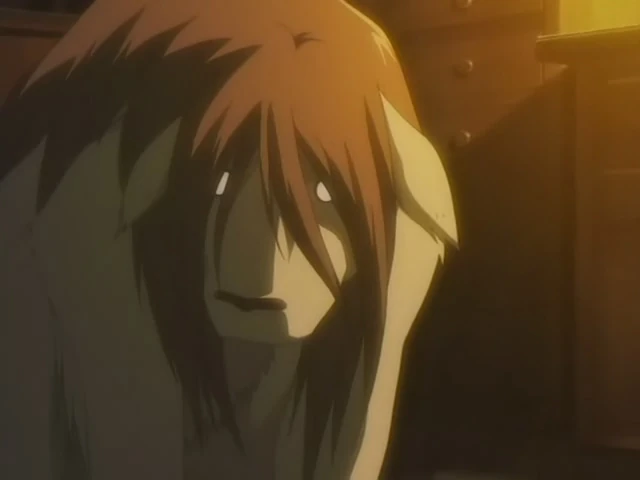
Nina made me think of Cerberus for some reason, which is probably why I couldn’t write a scene where Cerberus was actually present. Have I mentioned yet how much the Nina thing traumatized me?

Fluffy!

Did they not do an awesome job on Fluffy in Harry Potter the movie?

Mythology Monday on Tuesday: Poseidon

sunset-592796_1280

**posting delayed a day in honor of Memorial Day**

I turned to see a tall man striding toward us through the shallow surf. He had a flowing blond beard, a deep tan, and was dressed casually in board shorts and nothing else. I raised my eyebrows at his six-pack and gave Hades a speculative look. I’d never seen Hades with his shirt off. Were all gods built like that? I really hoped so.

“Poseidon,” Hades said in a civil voice. He shifted, subtly placing himself between Poseidon and me. “It’s been a long time.”

To anyone who hadn’t spent months overanalyzing Hades’ every move, he looked perfectly calm. But I could feel the tension radiating off him.

Poseidon stopped an arm’s-length away from us and looked at me. I saw his eyes and caught my breath. They swirled with shades of green, blue, and brown-white waves crested in miniature. They were so deep I could feel myself falling into them. I forced myself to meet the crashing and churning waves, not looking away until Poseidon chuckled.

“You’re the spitting image of your mother.” He grinned at me. “Uncanny. Pleased to meet you in person.” He extended his hand.

Hades pushed my hand down before it could meet his. “Don’t.” His voice was full of warning. I followed his gaze to Poseidon, confused by the sudden malice in Hades’ eyes.

Poseidon laughed. “Oh Hades, you’ve got it bad. There’s little need to worry. I don’t often have interest in children.”

Interesting wording. “Didn’t often.” “Little need.” No wonder Hades looked so tense. This guy was slimy. What would have happened if I’d shaken his hand?

~@~

In Greek mythology, Poseidon is god of the sea, earthquakes, and horses. He is one of the “big six” (thank you Rick Riordan); children of Cronus and Rhea which also includes Zeus, Hera, Demeter, Hades, and Hestia. Some versions of his birth-story indicate that he, like Zeus, was not eaten by Cronus, but hidden among a flock of lambs. His name may mean husband of the earth, which links him with Demeter, but that’s only one possible interpretation. He has also gone by Neptune and Nathus.

He competed with Athena to become patron of the city which would later be known as Athens (i.e Athena won). In the contest, whoever gave the city the best gift won. Poseidon stuck his trident in the ground and a salt-water spring popped up. Not seeing the use in salt water, the city chose Athena’s gift of the olive-tree.

Poseidon was once stripped of his divinity by Zeus, and sent to work for King Laomedon of Troy way before the Trojan war. He and Apollo built the wall around the city. When the wall was done and his divinity returned, he sent a sea-monster to attack Troy, which Hercules defeated. More on this myth in this blog.

He was married to Amphitrite, a once powerful sea-goddess in her own right in Ancient Greece that was eventually downgraded to a simple sea-nymph that was the daughter of Nereus and Doris Or Oceanus and Tethys, which either makes her a Nereid or an Oceanid sea-nymph. Their children included seals, dolphins, Triton, and in some myths daughters named Rhode and Benthesikyme. Poseidon either saw her dancing and carried her off, or had his dolphins track her down after she rejected Atlas and convince her that Poseidon was awesome.

Poseidon was married, but he had many, many, many other trysts, most of which were not-consensual. In one version of the myth, he made Medusa famous by raping her on the steps of the temple of Athena (she’d been running there in hopes her patron-goddess would save her from Poseidon. Athena instead made Medusa into a monster for defiling her temple.

He also raped Demeter. She turned into a horse and tried to flee, but he turned into a stallion and they had one to two (depending on the myth) horse babies named Desponia and Areion. Areion could talk. These were the horses Persephone met on Cumberland Island in Daughter of the Earth and Sky.

He may have been the father of Theseus, more on him in a future blog. He tricked a woman named Tyro who was in love with a river god into sleeping with him my disguising himself as the river god. He seduced one of his granddaughters named Alope by disguising himself as a kingfisher. She had a child and left it outside to die, but a passing mare and some shepherds saved it. Her father walled her up in disgust, but Poseidon sort of saved her by turning her into a spring.

Amymone was rescued from a sater by Poseidon and in gratitude bore him a son.

There was one romantic story that didn’t end in rape. He fell in love with a mortal named Cleito, and created a sanctuary for her on top of a hill surrounded by rings of water. She gave birth to five sets of twin boys, and the first became the founder of Atlantis.

Poseidon was also father to several monsters, giants, and cyclopes by way of Gaia and other monsters.

Poseidon plays a vital role in Homer’s The Odyssey, keeping Odysseus from his home for a great many years out of spite. He plays a lesser role in The Illiad, where he took the Greek’s side in the battle.

I don’t gloss over Poseidon’s dark side in my books. He’s a pervert, and a creep. Frankly, most of the myths featuring Poseidon disgust me. But I can’t deny his important role to Greek mythology, which is why he still has a role in my books.

Way Back Wednesday: Mind Control

l-85127

Charm, compulsion or some variation of mind control, has been around since the days of bards. The list of shows or books or movies that used mind control as a plot device when I was growing up are endless. My version of charm could literally have been inspired by any show ever. It’s that huge of a plot device in modern culture, and for good reason. It’s terrifying. I’ve said it before, and I’ll say it again, if you want to know what a society fears, look at their stories. We don’t like losing control. We don’t like being made to do something. And deep down, we’re a little afraid that we might not realize we’re being manipulated into doing something that goes against our best interests.

Aladdin

The earliest memory I have of mind manipulation as a plot device is Aladdin. In retrospect, Jafar’s ability to hypnotize people didn’t bother me nearly enough as a child. But I guess it helps that he had some pretty severe limits. It’s heavily implied his powers only work on the weak willed as we never see Aladdin or Jasmine controlled in the way the Sultan was. And the Sultan could break free if something was shocking enough.

Vampire Diaries

The books, not the series. It’s worth noting the series’ way of portraying compulsion with the pupils widening and such happened well after Persephone was written. Not suggesting they copied me, like I said, mind control is a pretty standard trope and even the eyes widening is fairly common place, just pointing out that I didn’t lift charm that overtly. The book version of compulsion was subtler, but it was there and it was pretty cool, though like Jafar, there were some hefty limits so it wasn’t as scary as it could have been.

Star Wars

These are not the droids you’re looking for.

Ella Enchanted

The book, not the movie which should have been named something else with a tagline that proclaimed it was inspired by the novel Ella Enchanted, not that it was in any way, shape, or form, a film version of the book because the book and the movie had nothing in common with the book except the name and even thinking about the movie gets me so angry, which is a shame because if the movie had been named something else, I’d probably love it. *deep breath* Sorry for the run-on. But good lord, that movie…

Anyway, the Ogres in Ella Enchanted had hypnotic voices and could literally convince their food (people) to cook themselves.

There are more exampled. Hundreds upon thousands of them. What ways have you seen charm used in popular culture?

For Real Friday: Fading into the Background

Hestia is one of my favorite goddesses because she, and all other important yet quiet background characters, reminds me of something really important. People have ripples. Some people’s are obvious. They’re boulders thrown into the stream with a big splash. They draw attention and it’s easy to attribute their ripples to them because they’re so obvious.

But some people are pebbles. They slip quietly into the stream in the boulder’s wake and they aren’t noticed but they still alter the stream. Their ripples keep going and going and going. This quiet little thing you never would have noticed impacts the whole pond. Hestia is a reminder that everyone matters, no matter how inconsequential you think you are, your ripples have reach.

Way Back Wednesday: Background Characters

invisible-13955_640

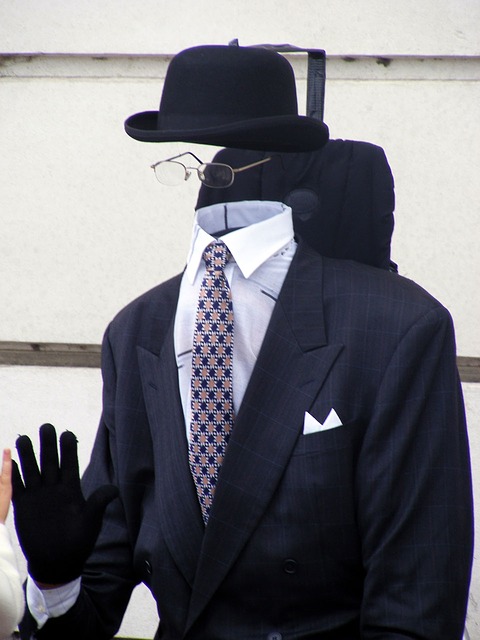
Hestia is remarkable in Greek mythology for a few reasons. She was worshipped by all, given bits of every offering, in theory if power = worship, she was raking it in. But she was also the quietest, least dramatic god in the pantheon. But she’s not the only figure like that in stories. Those really important, ever-present background characters are all over the place if you know where to look. Here are a few that I can remember.

The Teacher in Charley Brown

Everyone who watched the show or read the comics remembers her. She was in pretty much every episode, and she played a role pretty important to children (you’re stuck with your teacher all year after all) yet no one would consider her a main or even a particularly important character. She’s the epitome of an always present background character.

Kathy Santoni From Full House

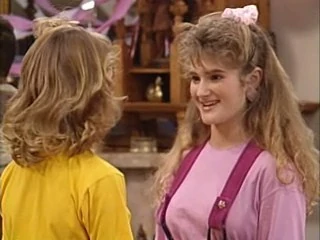
Kathy Santoni was only known by name for entire seasons of Full House before she finally got screen time but she had a pretty significant impact on D.J Tanner. Anytime Danny said she couldn’t do something, Kathy Santoni was allowed to. She stole D.J’s first boyfriend, caused all kinds of drama, and became pregnant as a teenager, freaking Danny out to no end. Influencial, yet otherwise unmemorable.

Ponch from So You Want to be a Wizard

I…can’t go in to why this character counts in this list without major spoilers, but if you haven’t read this series, do.

Literally every background character in Chrono Trigger or the Sword of Truth series at all.

Owen from Gargoyles

Owen is a perfect example of that always present, actually super important, background character who is just *there.* He’s there, he matters, but as Owen, he doesn’t get a lot of screen time.

Bill Turner

Let’s ignore the fact that anything exists past Pirates of the Caribbean 1 for just a minute. Bill Turner in movie one is a perfect example of what Hestia is like in Greek Mythology. He’s referenced a lot. He matters to the other characters, he influences the motivations of others just by being named. As a concept he’s important, as a character he isn’t actually there.

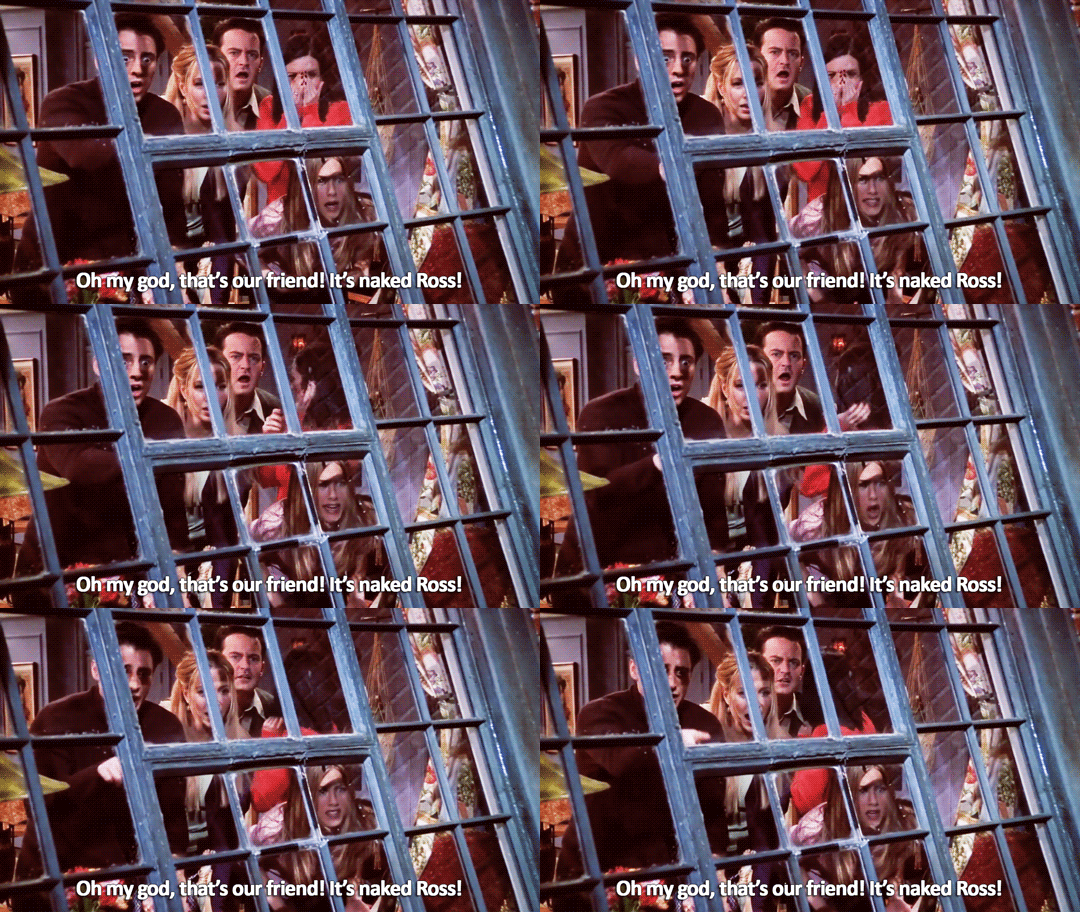
The Naked Guy From Friends

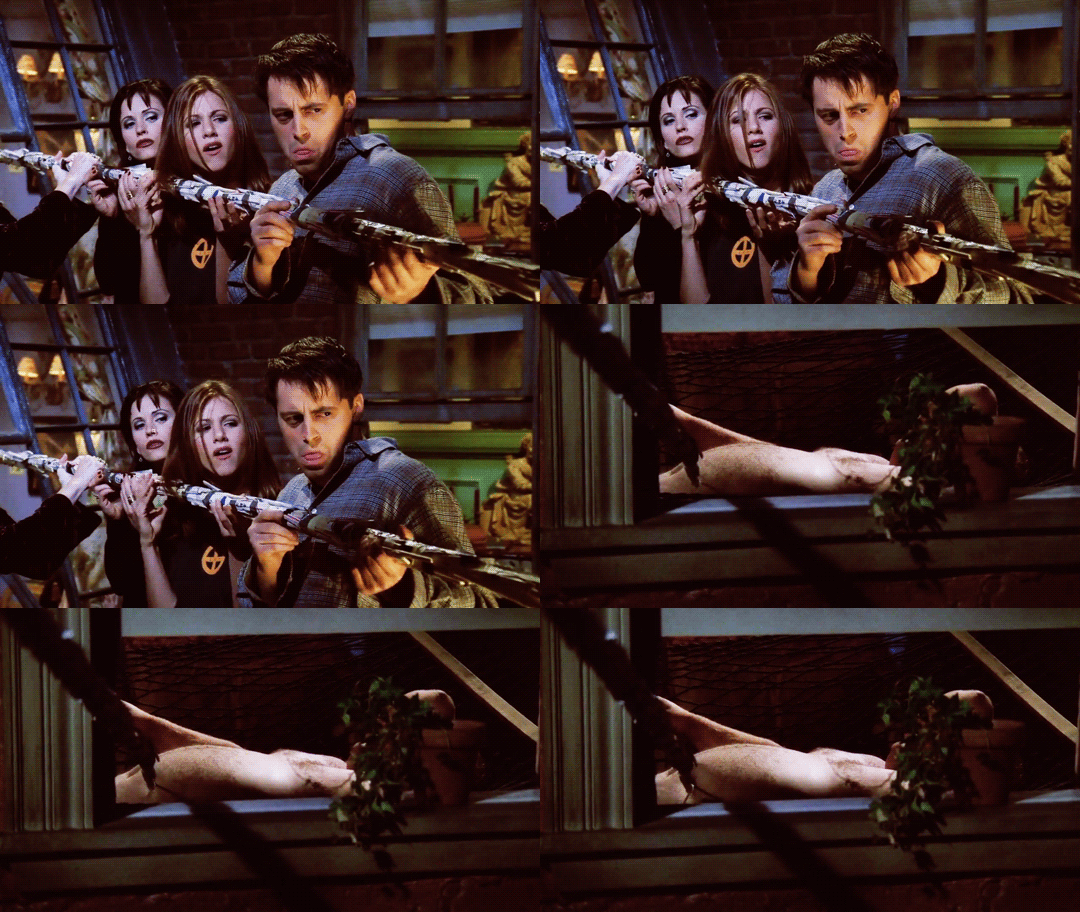
Referenced throughout the entire show, Naked Guy added a layer of illicit entertainment to Friends. Viewers were aware of him, but until close to the end never saw him. Here’s a whole string of Naked Guy Gifs from Tumblr.

Can you think of any background characters who were actually really important to the story?