For Real Friday: Manipulation

“You think you changed?” Poseidon laughed, and moved toward me, the filtered lights making the sea god look like he was moving in stop motion. “Why? Because you rebelled against Zeus?”

“I was created to be loyal to him,” I pointed out. “So…yeah. I’d say I’ve got some experience with change.”

art-645612_640

“No, he created you to have to be obedient to him.”

I tilted my head, not sure what he was getting at with the distinction and he laughed again.

“It never occurred to you to wonder why he didn’t bother to make you want to obey?” Smug, self-satisfaction permeated the sea god’s voice.

Where was Poseidon going with this? “Because he was a heartless bastard that didn’t care what I wanted? Why bother with the extra effort of–“

“What? Ensuring you wouldn’t spend every waking moment of your life trying to find a way around how he’d made you? You think that would be more work?” He smirked and shook his head as though astounded by my stupidity. “He gave you a personality, Aphrodite. He didn’t even have to bother with that. You were disposable to him; he could have made you an empty shell. Do you actually think the personality that you got was an accident?”

“I–” I broke off, drawing back. I hadn’t thought of that. “What?” I shook my head, trying to dispel the horrible suspicion forming there. “Stop it.”

“He liked a challenge.” The colored strobe lights glittered against Poseidon’s teeth. “Even when he had a sure thing. Unquestioning compliance would have bored Zeus, and you–“

“Stop!” I stepped away from Poseidon, back coming up against the shield, but he bridged the distance, his words filling in blanks I didn’t want filled.

Poseidon gripped my arm so hard I saw stars. “You’re nothing but Zeus’ plaything. You haven’t changed, Aphrodite.” He gave me a rough shake and I cried out in pain. “You did exactly what you were designed to do. He just never anticipated losing, and, don’t flatter yourself, you had nothing to do with that, either. He lost because he didn’t see Demeter’s sacrifice coming.”

“I said stop it!” I tried to pull my arm free, my shriek surprising even me. It wasn’t until clarity dawned in Poseidon’s expression that I realized how befuddled he’d looked before. He let me go so fast I stumbled into the shield that surrounded us. “Aphrodite, I’m–“

“Don’t!” I backpedaled to the side and away from him in a futile attempt find a weak spot in his shield, my breath coming in sharp gasps. “You’re–” I tried to say ‘wrong,’ but the word wouldn’t form. No, no! I wouldn’t believe him! I tried again. “Everything you just said is– You’re just–“

Poseidon lowered the shield and I fell backward, crashing to the floor. “That wasn’t about you. I–“

“You’re scum!” I scrambled to my feet, cradling my arm. The people near me stopped dancing. “Persephone was right about you. You’re nothing but slime.” I turned and stumbled out of the club, shoving past people until I could break into a run. When I reached the door to my suite, I stopped, realizing I didn’t have a key.

“Come on!” I slammed against the door over and over again. He was wrong. Poseidon was wrong; there was nothing more to it. He didn’t know what he was talking about. He’d never been in my head. He didn’t know what it was like day in and day out fighting every instinct Zeus had given me.

But I was letting Zeus define me. I let the things he’d done control my reactions. He pushed left so I moved right. In the end, everything I did still led back to him.

“No!”

“Aphrodite?” A hand touched my shoulder.

I jumped with a shriek, backing into the door with enough force to hurt, hand poised on the knob like I had any prayer of opening it. When I registered Adonis standing there, I went limp against the door, hand to my chest, struggling to draw breath into my lungs. “Don’t do that.”

“Are you okay?” Adonis’ gaze latched on to my arm, which was fast turning into a mottled purple mess, and he hissed. “Did Poseidon do that? Why isn’t it healing?”

“I can’t–” I gasped again. “I can’t breathe.”

“Here.” Adonis unlocked the door and reached for me, but I jerked away from him.

“Don’t!” I stumbled into the room. “Oh gods, he’s right,” I realized, voice breaking. I stepped out of my shoes, moving on autopilot into dark the room, stopping when I reached the half-wall that separated the kitchen and dining room. “He’s absolutely right. He could have made me love him.”

“What? Aphrodite, what happened back there? What did Poseidon do?” Adonis followed me, stopping just short of the kitchen wall. “Hang on.” He flipped a switch and light flooded the suite. “Did he–“

“Zeus could have made me love him.” The flat of my hands pressed against the countertop. I stood hunched over, elbows locked, hair falling in my face as I stared down at the matte, white surface breathing hard. “He could have just made me.”

“That would have been horrible.” The confusion in Adonis’ voice would have been comic under any different circumstances. “But I don’t see what–“

“I could have been happy.” A sob worked its way up my throat.

~@~

Manipulation plays a pretty big part in the Persephone trilogy. The most overt example is charm, but its there in other ways. Demeter doesn’t have charm and can’t even lie, yet she still manipulates Persephone into thinking she’s heard one fact over another.

Charm, mind-control, and the like have been in fiction for as long as we’ve been telling stories, and as I’ve said so many times before, to learn a societies fears, read their fiction. Mind control is a pretty interesting case of this though because on the one hand we’re afraid of it and on the other hand there’s this air of inevitability behind it. Manipulation is a part of life. We like to call it socialization even. It’s not always a bad thing. If humans didn’t react to things in the predictable ways they did, culture and society wouldn’t exist.

Because it’s sometimes benevolent, you might not think of it as mind control, but it fits every aspect of what we’ve created in fiction. Here’s a tongue in cheek article that goes into it more than I particularly want to, but in summary….

We’re socialized from a very young age into accepting certain rules and standards as right and wrong. I’m not just talking about morals, if someone looks into your eyes in passing for more than five seconds, your social response is to be creeped the frick out. That’s not an instinct you’re born with. We’ve been socialized to react that way.

On the darker side, politicians play on emotions to gain your vote. Stories, real and otherwise, are framed in such a way that they control how you sympathize with the people within them. Language is power and make no mistake it is deftly wielded. I mean, market research exists. The purpose of that is solely to determine how to best manipulate people into wanting a product or to keep watching a show or to feel a certain way toward a certain thing. It is so well known that we play on peoples emotions and manipulate their thinking that no one really thinks about it, its a given.

So what makes manipulation and mind control so much more frightening in fiction? Personalization. Unless you’re talking overt mind-slaves like POD people, large scale mind control in fiction just doesn’t have the same kick to it as that creepy guy behind the secure door in the prison who somehow talks people into blowing their own brains out just by talking to them. Knowing the Master hypnotized everyone into voting for Saxon is somehow not as terrifying as Ella, a girl who *has* to follow orders being ordered to be happy (not act happy, BE happy).  There’s something sinister about the personalization of manipulation. That’s why gas-lighting someone is pretty universally considered a reprehensible thing, but the existence of commercials…not so much.

What do you think makes mind control scary and why is it different than the subtle and not so subtle ways we’re already controlled?

Way Back Wednesday: Mind Control

l-85127

Charm, compulsion or some variation of mind control, has been around since the days of bards. The list of shows or books or movies that used mind control as a plot device when I was growing up are endless. My version of charm could literally have been inspired by any show ever. It’s that huge of a plot device in modern culture, and for good reason. It’s terrifying. I’ve said it before, and I’ll say it again, if you want to know what a society fears, look at their stories. We don’t like losing control. We don’t like being made to do something. And deep down, we’re a little afraid that we might not realize we’re being manipulated into doing something that goes against our best interests.

Aladdin

The earliest memory I have of mind manipulation as a plot device is Aladdin. In retrospect, Jafar’s ability to hypnotize people didn’t bother me nearly enough as a child. But I guess it helps that he had some pretty severe limits. It’s heavily implied his powers only work on the weak willed as we never see Aladdin or Jasmine controlled in the way the Sultan was. And the Sultan could break free if something was shocking enough.

Vampire Diaries

The books, not the series. It’s worth noting the series’ way of portraying compulsion with the pupils widening and such happened well after Persephone was written. Not suggesting they copied me, like I said, mind control is a pretty standard trope and even the eyes widening is fairly common place, just pointing out that I didn’t lift charm that overtly. The book version of compulsion was subtler, but it was there and it was pretty cool, though like Jafar, there were some hefty limits so it wasn’t as scary as it could have been.

Star Wars

These are not the droids you’re looking for.

Ella Enchanted

The book, not the movie which should have been named something else with a tagline that proclaimed it was inspired by the novel Ella Enchanted, not that it was in any way, shape, or form, a film version of the book because the book and the movie had nothing in common with the book except the name and even thinking about the movie gets me so angry, which is a shame because if the movie had been named something else, I’d probably love it. *deep breath* Sorry for the run-on. But good lord, that movie…

Anyway, the Ogres in Ella Enchanted had hypnotic voices and could literally convince their food (people) to cook themselves.

There are more exampled. Hundreds upon thousands of them. What ways have you seen charm used in popular culture?

For Real Friday: Fading into the Background

Hestia is one of my favorite goddesses because she, and all other important yet quiet background characters, reminds me of something really important. People have ripples. Some people’s are obvious. They’re boulders thrown into the stream with a big splash. They draw attention and it’s easy to attribute their ripples to them because they’re so obvious.

But some people are pebbles. They slip quietly into the stream in the boulder’s wake and they aren’t noticed but they still alter the stream. Their ripples keep going and going and going. This quiet little thing you never would have noticed impacts the whole pond. Hestia is a reminder that everyone matters, no matter how inconsequential you think you are, your ripples have reach.

Way Back Wednesday: Background Characters

invisible-13955_640

Hestia is remarkable in Greek mythology for a few reasons. She was worshipped by all, given bits of every offering, in theory if power = worship, she was raking it in. But she was also the quietest, least dramatic god in the pantheon. But she’s not the only figure like that in stories. Those really important, ever-present background characters are all over the place if you know where to look. Here are a few that I can remember.

The Teacher in Charley Brown

Everyone who watched the show or read the comics remembers her. She was in pretty much every episode, and she played a role pretty important to children (you’re stuck with your teacher all year after all) yet no one would consider her a main or even a particularly important character. She’s the epitome of an always present background character.

Kathy Santoni From Full House

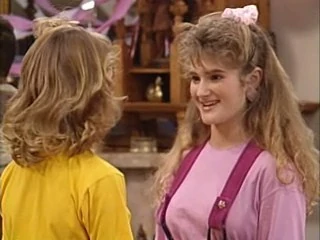
Kathy Santoni was only known by name for entire seasons of Full House before she finally got screen time but she had a pretty significant impact on D.J Tanner. Anytime Danny said she couldn’t do something, Kathy Santoni was allowed to. She stole D.J’s first boyfriend, caused all kinds of drama, and became pregnant as a teenager, freaking Danny out to no end. Influencial, yet otherwise unmemorable.

Ponch from So You Want to be a Wizard

I…can’t go in to why this character counts in this list without major spoilers, but if you haven’t read this series, do.

Literally every background character in Chrono Trigger or the Sword of Truth series at all.

Owen from Gargoyles

Owen is a perfect example of that always present, actually super important, background character who is just *there.* He’s there, he matters, but as Owen, he doesn’t get a lot of screen time.

Bill Turner

Let’s ignore the fact that anything exists past Pirates of the Caribbean 1 for just a minute. Bill Turner in movie one is a perfect example of what Hestia is like in Greek Mythology. He’s referenced a lot. He matters to the other characters, he influences the motivations of others just by being named. As a concept he’s important, as a character he isn’t actually there.

The Naked Guy From Friends

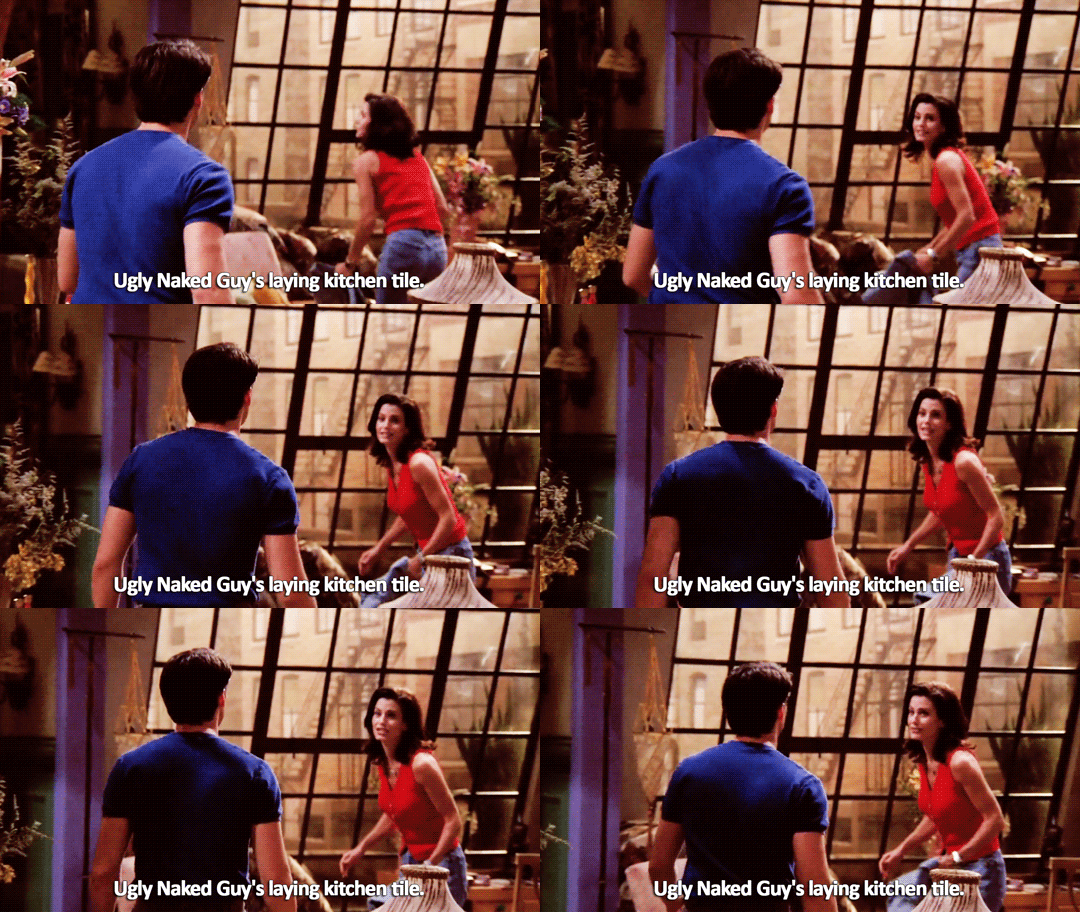
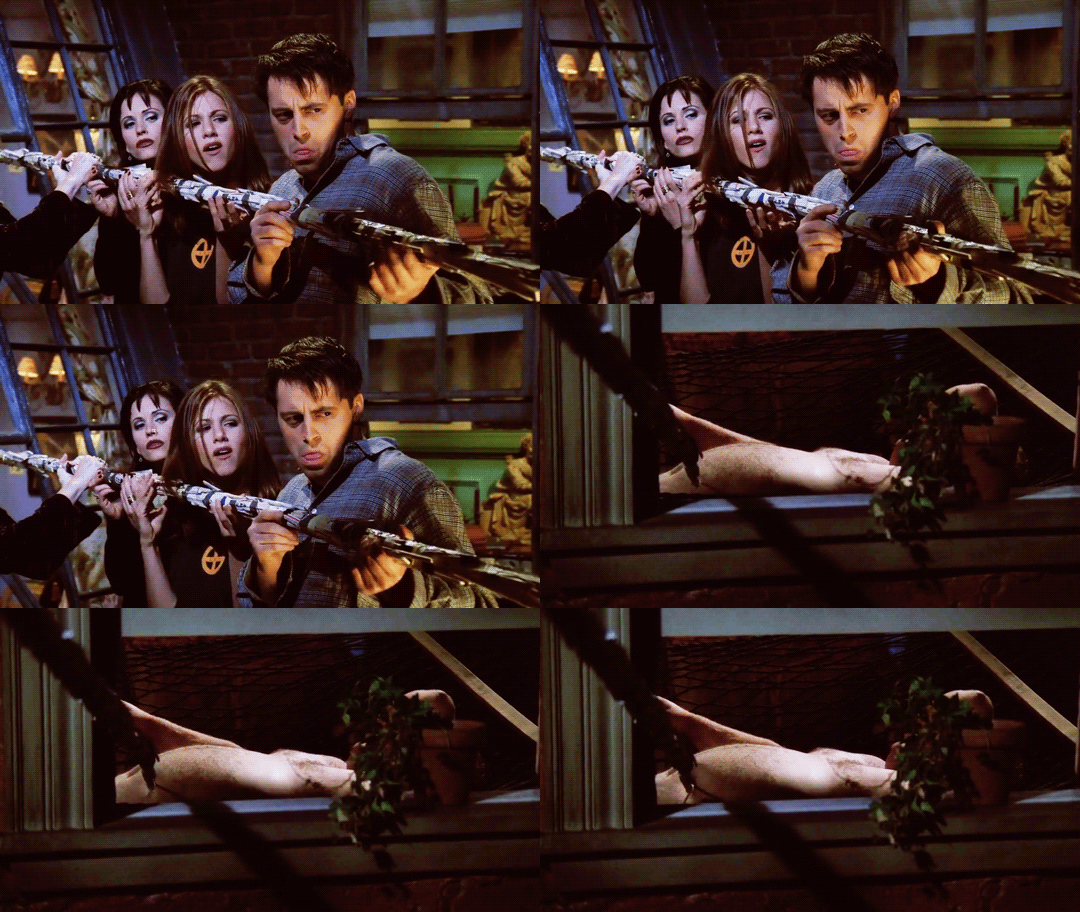
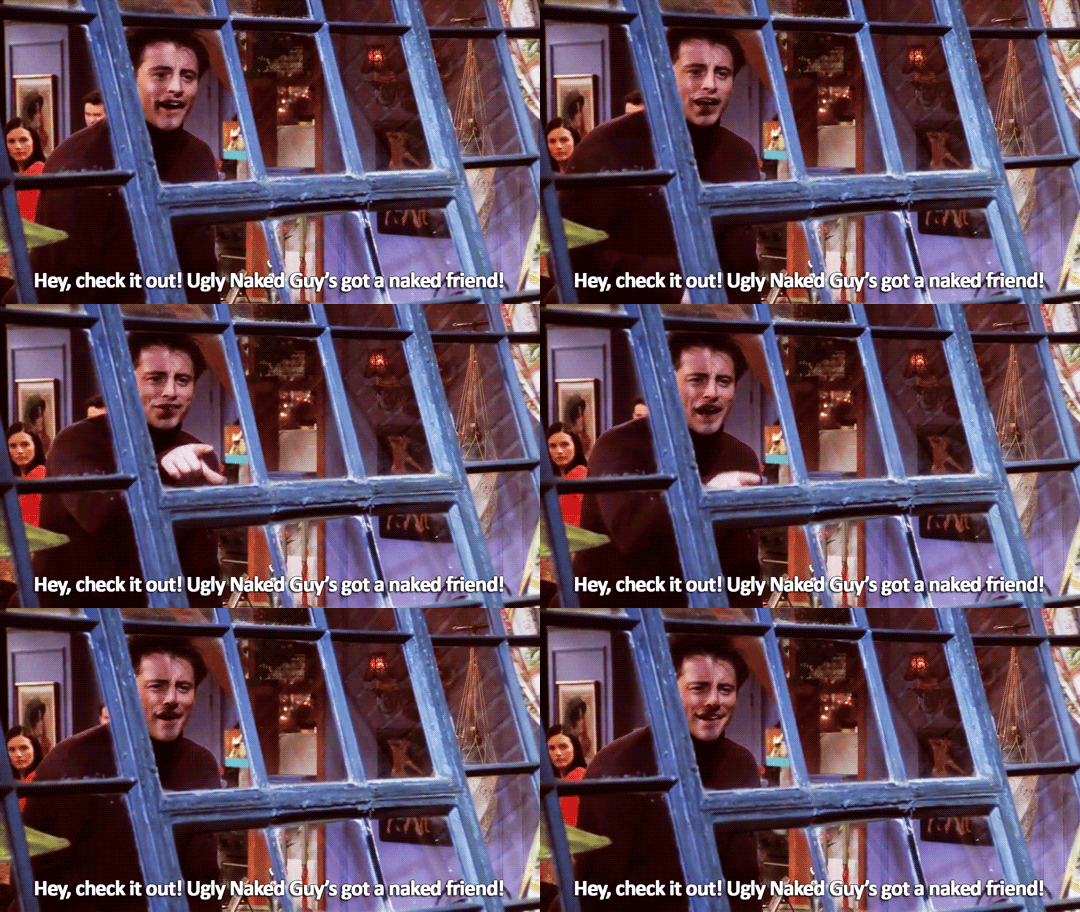
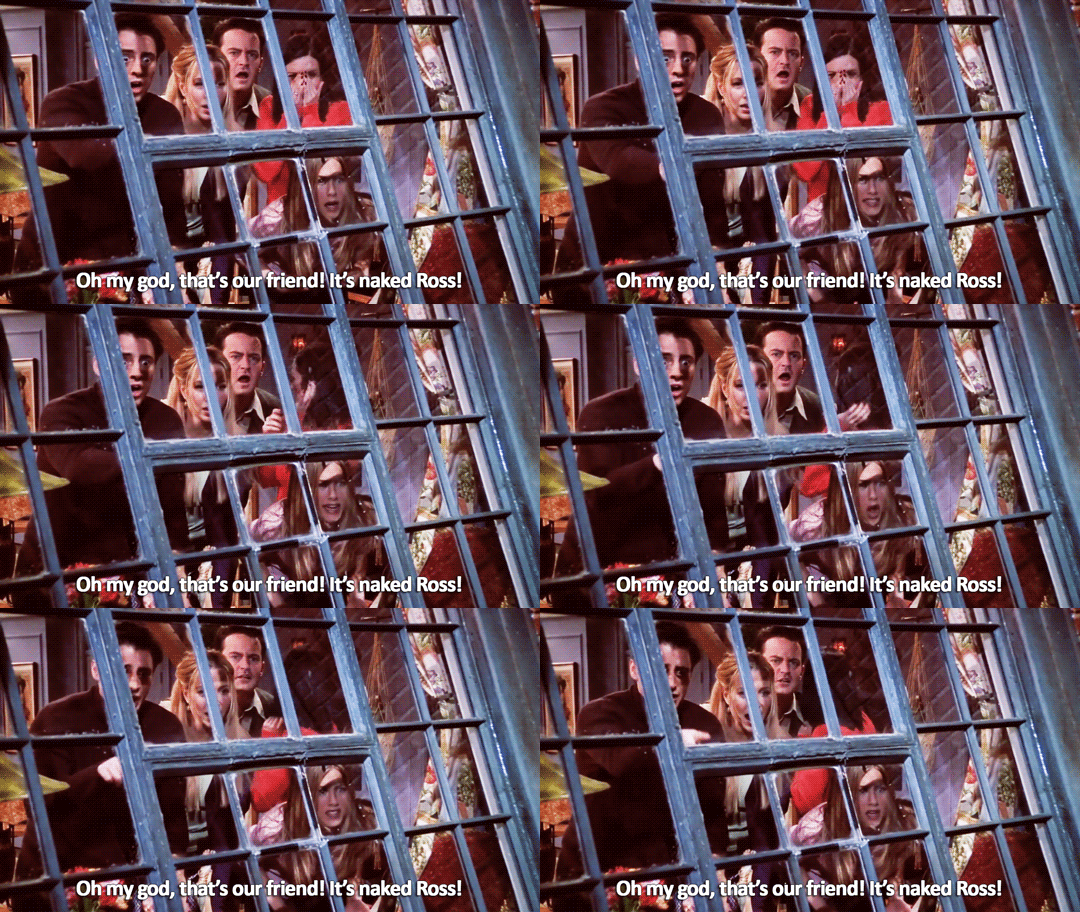
Referenced throughout the entire show, Naked Guy added a layer of illicit entertainment to Friends. Viewers were aware of him, but until close to the end never saw him. Here’s a whole string of Naked Guy Gifs from Tumblr.

Can you think of any background characters who were actually really important to the story?

Mythology Monday: Hestia

pixabay

pixabay

Hestia arrived right on time. The goddess was soft-spoken and diminutive. After looking askance at my papasan chair with her smoldering gray eyes, she created a side room for our lessons that contained a simple wooden table and two wooden chairs. The most interesting thing in the room was the fireplace.

Then she took one of the seats, motioning for me to take the other. In her soft voice she gave me a brief rundown on all the living gods and proceeded to tell me the history of the gods of Olympus. She spoke for precisely one hour and fifty minutes, leaving ten minutes for questions.

~@~

Hestia was one of the original six children of Cronus and Rhea. She was the goddess of the hearth and home. The Romans called her Vesta. She is both the oldest and the youngest daughter (born first, thrown up last). However, I replaced that bit of her with Demeter for story telling purposes. Hestia never married, swearing to always be a virgin (hence the vestal virgins). She chose no symbol for herself, and for a god as widely worshiped as she was (every house honored Hestia) was remarkably quiet and drama free. When any offering was made to any god, a small offering to her preceded it. In my story, she teaches Persephone the history of the gods.

For Real Friday: Mothers

It’s really hard to be a mom. They get judged no matter what they do. They get blamed no matter what they do. And if when they do complain they get labeled as people who complain all the time. They definitely aren’t appreciated enough. It’s not possible to appreciate a mom enough until you become a mom. At least it wasn’t for me.

My mom is an amazing woman who raised me and my brother single handedly after my Dad died when we were really little. She parented us through school while she got her R.N (I got chickenpox on her last day of finals). She managed two kids in school with extra curricular while working twelve hour shifts through my entire childhood. She always looked amazing. She was the actual super mom. We…did not make it easy for her either. She deserves a medal.

The thing is though, she never felt like she was doing as amazing a job as she was. And now that I’m a mom, I get it. I do everything for my daughter. She’s loved and she knows it. She goes to the best school, she has all the toys, we read every night, we have a curriculum for days she’s not in school. She’s in enough sports and activities that I have to be careful to leave her enough free time to know what those words mean. I’m an awesome mom. On an intellectual level, I know that. But I never feel like it.

Somewhere along the way, motherhood became a competitive culture. I may read to my daughter every night, but do I feed her organic? Do I let her watch to much TV? Do I stare at my phone too much instead of spending every waking second focused on her? Or do I over focus? Am I one of “those” moms because we do elf on the shelf? You know, the ones that don’t have a life?

It never ends. There is always some criticism out there and unlike most criticisms in the world, unlike the knowledge that someone somewhere isn’t going to like what’s in your grocery cart or what you wore or whatever, you can’t just shrug off mom-criticim with “oh well, you can’t please everything.” Because mom-criticism comes with a loaded gun.

If you screw up, you can ruin your child’s entire life. Literally. Some guy shoots up a school? Mom’s every action is hyper analyzed to figure out why he would do such a thing. Kid kills themselves? Turns to drugs? Fails school? Succeeds in everything but isn’t happy? These aren’t outcomes a good parent can just shrug off and say “can’t please everyone.” So we have to analyze our choices and hope and pray.

It’s hard being a mom. So this weekend, please take the time to do something special for yours. Chances are, she went through hell for you.

Way Back Wednesday: Epic Moms

Mom’s don’t get a lot of recognition in fiction. Especially young adult or children’s fiction. They tend to get killed off or are mysteriously off-screen for most of the story, or are so laughably incompetent the kids have to take charge. It makes sense in a way. The focus on children’s and young adult literature is on the children. It’s a space for the kids to be the center of the story and that’s hard to do with mom shadowing your every move. But here’s my  favorite fictional mom’s growing up.

Kitty Forman from That Seventies Show

It wasn’t possible to hate this woman. She was a well rounded character with a sense of humor, morals, and while she had flaws, she was so lovable you just didn’t care.

Molly Weasley from Harry Potter

She had a ton of children, loved every one to pieces, and made room in her family for Harry. There was nothing not to love about this woman. There’s a great blog about her here and of course there’s this awesome tumblr post here. She really was an amazing character and way too underrated for her role in the series.

Amy Matthews from Boy Meets World

Amy Matthews had a good bit of snark to her, which made her entertaining, but she was also a really good mom to two kind of crazy boys.

Maggie Seaver from Growing Pains 

She stayed home, she worked, she always looked really pretty. Maggie Seaver was probably she super mom prototype. And while the show did do a good idea of occasionally focusing on the strain keeping that big family and her career and everything else she did caused, she still made it look easy. Considering the only other working mom I remember from television at the time (that doesn’t mean there weren’t any, just none I remember that the whole career thing was notable for) was Angelica’s mostly absent (she might not have been but again, the only impressions I remember of her were Angelica being sad and spoiled and her mom talking on her phone) mother from Rugrats, I think Maggie Seaver definitely filled a needed void.

Who are your favorite fictional moms?

Mythology Monday: Mother’s

h7h4t

In honor of Mother’s day next week, I’m dedicating this week to the amazing mom’s in Greek mythology. Ancient cultures may not have had the most respect for women in general, but they respected the role of motherhood. Here’s the top three mommy myths in Greek mythology. By the way, I’m leaving both Hera and Gaia off this list because in my opinion they sucked as mothers.

Demeter

I’ve already went into Demeter’s myth at length several Mythology Mondays ago, but I can’t leave her out of this list.

She was by all accounts, an awesome mom. She took great care of Persephone, protected her, and kept her out of the drama of Olympus, no small feat.

When her daughter went missing, she scoured the earth to find her and didn’t rest until her daughter was returned to her arms.

It’s a pretty epic myth, all things considered and in my opinion the most powerful myth about motherhood in Greek mythology.

Rhea_MKL1888

Rhea

Rhea was married to a kind of awful guy. And yes, it took him eating a couple of her kids to realize the true depths of his depravity, but eventually that mothering instinct took over and rather than allow Cronus to kill Zeus, she, at great risk to herself, snuck him away and tricked her husband. Later, she gives Zeus the tools he needs to save her other children. This decision cost her a kingdom, a husband, every bit of status she had ever gained. She wasn’t killed with the rest of the Titans but she faded into obscurity.

"For two days and two nights the boat was and hither and thither" by Walter Crane - The story of Greece : told to boys and girls (191-?) by Macgregor, Mary. Licensed under Public Domain via Wikimedia Commons - http://commons.wikimedia.org/wiki/File:For_two_days_and_two_nights_the_boat_was_and_hither_and_thither.jpg#/media/File:For_two_days_and_two_nights_the_boat_was_and_hither_and_thither.jpg

“For two days and two nights the boat was and hither and thither” by Walter Crane – The story of Greece : told to boys and girls (191-?) by Macgregor, Mary. Licensed under Public Domain via Wikimedia Commons – http://commons.wikimedia.org/wiki/File:For_two_days_and_two_nights_the_boat_was_and_hither_and_thither.jpg#/media/File:For_two_days_and_two_nights_the_boat_was_and_hither_and_thither.jpg

Danae

Danae was a princess whose child was fated to kill her father. Her dad locked her up so no man could reach her, but that didn’t stop Zeus. As punishment for getting knocked up, her father locked her and her baby in a coffin and threw them out to sea so Poseidon would get the blame for killing them, not him. Poseidon didn’t cooperate so mom and son, Perseus, made it to shore, where a king fell in love with her. She wasn’t interested in marriage (no doubt emotionally scarred from her horrible treatment with her father), but the king raised Perseus and agreed not to pursue her for awhile anyway. When Perseus grew up, the king lost patience and tried to marry Danae, but Perseus used Medusa’s head to turn him to stone.

That tells me a few things about Danae. The main one being she’s an awesome mother. Perseus loved her enough to go to great risk and kill a father figure for the love of his mom. That means rather than shutting down or blaming Perseus for all the trouble he brought her, she kept mothering on like a good human being. Given her insane childhood, that’s kind of awesome, so props to Danae.

So there you have it. My top three favorite Mom myths in Greek mythology. What’s your favorite Greek mother?

All Kinds of News!

Cover revealed for Daughter of the Earth and Sky AND Persephone is available for purchase in print! Follow this link to order now. Daughter of Earth and Sky - 600x900x300

For Real Friday: Snooping

l-80434

Posting this a day early because of the cover reveal tomorrow.

Dream walking, telepathy, or some variation of getting into someone’s innermost thoughts appears in fiction all over the place. To me, that particular plot device has always been a really interesting commentary on privacy in general.

With most psychic abilities in fiction, there are three levels of acceptance from characters without the power.

1) Ignorance. They have no way of knowing someone is observing. To me, this is the most frightening way to portray these powers in fiction because they are so often treated as harmless.  *note* There is a difference between wild-power and controlled power in this scenario. A character bombarded by everyone’s thoughts no matter what they do is in a different position than one in control of those powers and just using them for kicks.

2) Acceptance. They are not only aware of the other character’s power, but they use it to their advantage to communicate with the other character. Boundaries are in place and accepted and safeguards are typically introduced to prevent unwanted or unintentional snooping.

3) Fear. The character in power actively uses their abilities to hurt or unnerve them, respects no boundaries, and are otherwise powerless against the character in power.

There’s several real life counterpart for each of these scenarios. Take the Facebook for instance. You can Facebook stalk people online without them ever being aware you exist. Technically they aren’t harmed by your creepy lurking, so life just goes on. You can also unintentionally Facebook stalk people because every now and then Facebook changes their settings and suddenly you’re seeing personal statuses of people you aren’t friends with because a friend of yours is friends with them and made a comment on their status.

There’s acceptance. You can friend someone on Facebook. Send them messages, work Facebook to your mutual advantage and communicate.

Then there’s fear. You can seriously stalk people through Facebook. Research where those pictures were taken, get schedules, and cross the internet boundary into the real world.

Pre-internet there were other means of distance stalking but they took quite a bit more commitment than today. So it’s unsurprising to see so many books and movies and TV shows dealing with these magic based snooping abilities today than say, twenty years ago. Don’t get me wrong, the plot device was still there, but there’s a reason it’s used so much more now.

If you want to know what a society fears, read their fiction.